
If you work in digital marketing, you've probably noticed that collecting accurate analytics data is becoming more difficult every year. Between evolving privacy regulations, browser changes, and shifting user expectations, the way tracking works has changed dramatically - and it's not going back.
The good news? With the right setup, you can stay fully compliant and still collect the data you need to make informed marketing decisions. Here's how.
First-Party vs Third-Party Cookies
Understanding the difference between first-party and third-party cookies is essential for any digital marketer in 2025.
First-party cookies are set by the domain you're visiting. They power essential functionality like login sessions, shopping carts, and analytics. These are generally considered acceptable by both regulations and browsers.
Third-party cookies are set by external domains - typically advertising and tracking platforms. They enable cross-site tracking and retargeting. These are the cookies being phased out, with Chrome completing its phase-out in 2025.
Where Regulation Stands
Regulations like GDPR and CCPA are now actively enforced with multi-million-dollar fines. The days of burying consent in a terms-of-service page are over. Users must give explicit, informed consent before non-essential tracking begins.
This isn't just a legal requirement - it's a trust issue. Users who feel their privacy is respected are more likely to engage with your brand.
Setting Up a Consent Management Platform (CMP)
A Consent Management Platform ensures that tracking scripts only run when the user has given legally valid consent. This is the foundation of compliant data collection.
Popular CMP solutions include:
- Cookiebot - strong GDPR compliance, easy to implement
- OneTrust - enterprise-grade with extensive governance features
- Usercentrics - flexible and developer-friendly
- Termly - cost-effective for smaller organizations
Google Tag Manager Consent Mode
Google Tag Manager's Consent Mode is the piece that makes this setup work. It allows your tags to behave differently based on the user's consent status. For example, Google Ads tags can send anonymized pings even when a user hasn't granted marketing consent, preserving your attribution modeling while maintaining full compliance.
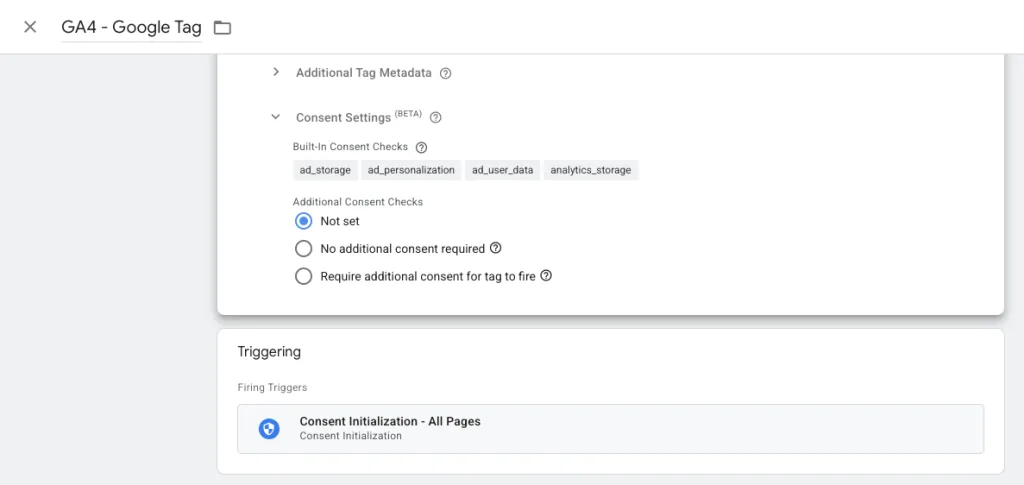
This means you don't have to choose between compliance and data quality - Consent Mode gives you both.
“With Consent Mode, you don't have to choose between compliance and data quality - you can have both.”
Thomas Thornton, Marzipan
Implementation Steps
Getting this right involves four key steps:
- Select a CMP with native Google Tag Manager integration
- Audit all your existing tags and categorise them (essential, performance, functional, advertising)
- Test consent flows across different regions and devices
- Document your setup and create a maintenance schedule for regular reviews
The result is a tracking setup that respects user privacy, satisfies regulatory requirements, and still gives you the data you need to optimize your marketing. It's not an either-or choice - with the right architecture, you can have both compliance and insight.

Written by
Thomas Thornton
Head of Advertising, Data & Analytics
Thomas combines web development experience with hands-on digital marketing. With over 10 years experience in the industry, he has worked on different size teams from across the globe and is best known for his PPC skills.
More articles by Thomas